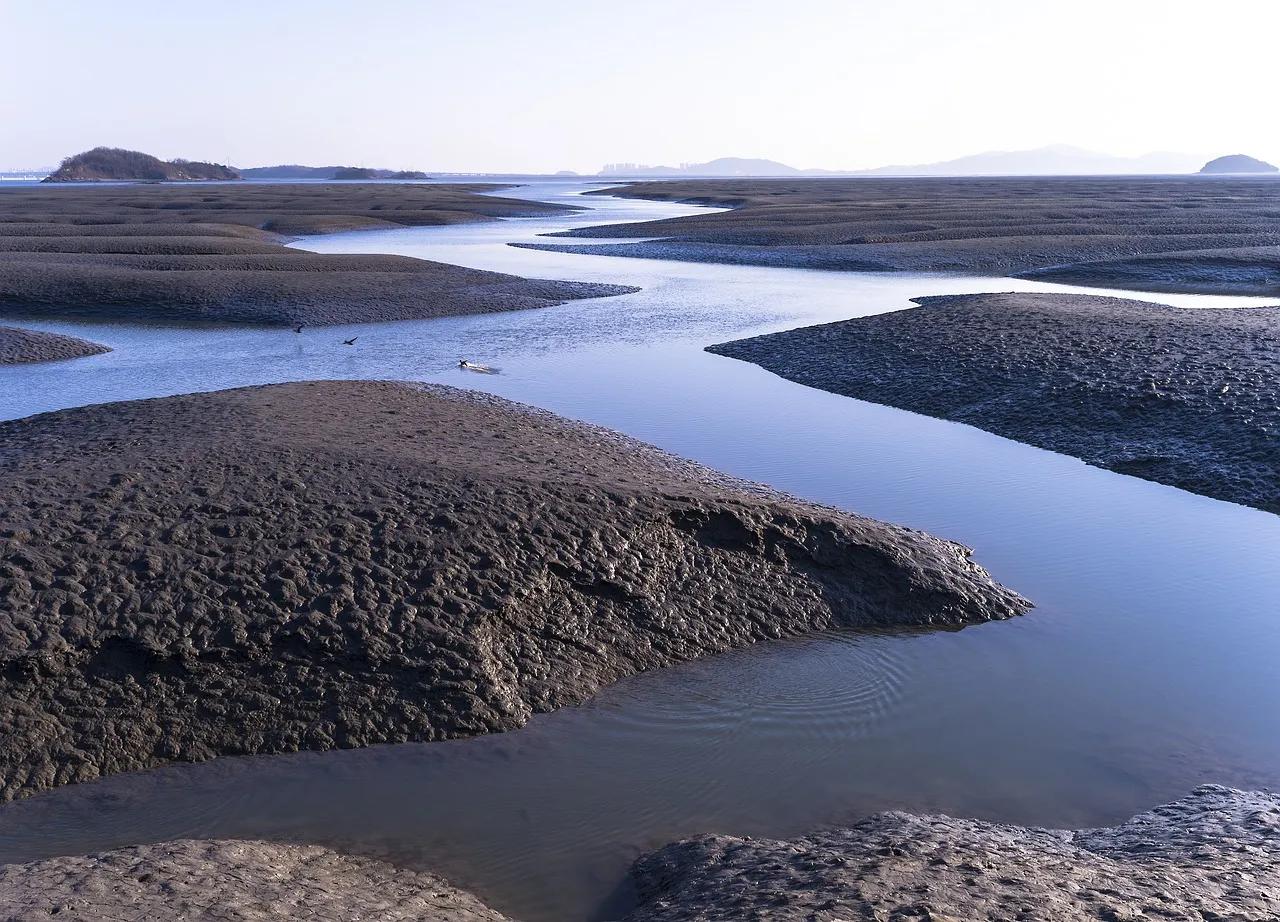
The wetland and the yard
Ross River virus: who is more likely to catch it (NSW Health)
- “people who live or work in warm, humid climates near bodies of water”
- “people who have visited or live in or around wetlands or rivers”
- “people who have recently been bitten by mosquitoes in affected areas”
- “people who work or do outside activities (for example, camping, fishing, hiking, gardening) in coastal and inland areas.”
Dengue mosquitoes: where they breed (Queensland Health)
- “Dengue mosquitoes are different to bush or swamp mosquitoes - they breed in containers and junk.”
- “Dengue (Aedes aegypti) mosquitoes only live and breed around humans and buildings, and not in bush or rural areas.”
The two pages are about different viruses and different mosquitoes, and each is its own state’s advice. Side by side, they cover two kinds of water: the wetland, and whatever holds rain around the house.
Ross River virus, as NSW Health describes it
The virus passes when a mosquito bites an infected animal or person and then bites someone else; it does not spread directly between people. Many people who catch it have no symptoms. When symptoms come, usually about 7 to 10 days after the bite, they can include fever, chills, headache, aching or swollen joints, a rash and tiredness. Most people recover fully after a few weeks, while some have joint pain and tiredness for many months.
To confirm it, a doctor may order a blood test for antibodies to the virus. NSW Health explains that blood is taken while the person is unwell and again two weeks later, to look for a change in antibody levels that shows a recent infection. There is no vaccine and no specific treatment, and a doctor can advise on easing the symptoms. In New South Wales, laboratories must notify Ross River cases on diagnosis, and the public health unit may look further into cases in unexpected places.
Ross River is one of several mosquito-borne viruses: healthdirect notes that Barmah Forest virus is also spread by mosquitoes and is found only in Australia.
Dengue, as Queensland Health describes it
Dengue is spread only by certain mosquitoes, mostly Aedes aegypti. Towns in north and central Queensland that have them are prone to outbreaks when travellers bring the virus in. Some towns in south Queensland have dengue mosquitoes too, the page says, but have had no outbreaks in recent years.
A dengue mosquito is not born carrying the virus. It picks it up by biting a person who is sick with dengue, and can pass it to someone else after about a week. People fall ill 3 to 14 days after a bite from an infected mosquito, and dengue does not spread directly from person to person. Among the symptoms the page lists are “sudden onset of fever, extreme tiredness”, “intense headache (especially behind the eyes)” and “muscle and joint pain (ankles, knees and elbows)”. Its advice: “See a doctor immediately if you or anyone in your family have symptoms of dengue.”
If someone does have dengue, the page says, the local council and Queensland Health can stop it spreading further in the neighbourhood, using “traps, insecticide house sprays and a non-toxic product in water that stops mosquito ‘wrigglers’ (larvae) development.”
A boat, a tank, a pot plant base
Queensland Health’s list of where dengue mosquitoes breed reads like an inventory of a bayside yard:
“Dengue mosquitoes develop in anything that holds water at home: pot plant bases, buckets, tarpaulins, tyres, vases, coconut shells, blocked gutters, and even palm fronds. Neglected rainwater tanks, boats, tubs or pools can breed thousands of dengue mosquitoes.”
Its routine is weekly: check in and around the home, clean out roof gutters, and empty and scrub out containers, then store them somewhere dry or throw them away.
By day, and at dusk
The two pages describe different hours. NSW Health says mosquitoes are most active at dawn and dusk and into the evening. Queensland Health says dengue mosquitoes bite quietly, during the day, and suggests plug-in repellent devices inside and coils outside. It also suggests screening living and sleeping areas, and long-sleeved, light-coloured clothing with the feet covered.
For repellent, Queensland Health names DEET or picaridin, reapplied as the label says. NSW Health’s list adds oil of lemon eucalyptus.
Questions, and feeling unwell
For questions or complaints about local mosquito control, Queensland Health points to your local council. NSW Health’s advice is to contact a doctor right away if, after a mosquito bite, you develop a rash or flu-like symptoms such as fever, chills, headaches, or joint or muscle pain, and to call 000 in an emergency. In Queensland, health advice is available around the clock from 13 HEALTH, on 13 43 25 84.